

Walking into your kitchen or bathroom and finding a weak, pathetic stream of water where a powerful flow used to be is a special kind of frustration. In Abilene, we are used to dealing with the elements, but a sudden drop in water pressure feels like an uninvited guest in your home. Whether the issue is buried deep in the West Texas soil or hidden behind your drywall, identifying the source is critical before a small drip becomes a major disaster.
In this blog, we will explore why your Abilene home suddenly has low water pressure and what you can do to fix it.
Neighborhood Issues vs. Home Problems
Before you start tearing into your drywall or calling for a major repair, the first step is to determine if the problem is unique to your property or a widespread issue in your Abilene neighborhood. The Big Country is known for its aging municipal infrastructure, and a water main break a few blocks away can cause an immediate drop in pressure for dozens of homes. You can quickly verify this by checking with your neighbors or by looking for water pooling in the street. If everyone on the block is struggling with the same weak flow, the issue likely lies with the city’s supply lines rather than your personal plumbing.
If your neighbors have normal pressure, the next simple check is to test your main shutoff valve. These valves are often located near the street in a meter box or where the main line enters your home. Sometimes, during yard work or a utility check, the valve can be accidentally bumped and partially closed. A valve that is even slightly turned can drastically restrict the volume of water entering your home, leading to that sudden, frustrating drop in performance.
- City Main Breaks: Frequent temperature swings in West Texas cause the ground to shift, which can cause older cast-iron or transit city pipes to snap.
- Meter Box Issues: Check your meter box for standing water, which could indicate a leak on the city side or at your primary connection.
- Partially Closed Valves: Ensure your main shutoff valve is fully turned to the "on" position; even a quarter-turn off can reduce pressure.
- Fire Hydrant Usage: If the Abilene Fire Department is testing hydrants or fighting a nearby fire, you will experience a temporary but significant pressure loss.
Identifying the scope of the problem saves you time and money. If the issue is on the city’s side, a quick call to the Abilene Water Department is your best move. However, if the neighbor's sprinklers are hitting the fence with full force while your kitchen sink is barely dripping, it is time to look deeper into the specific components of your own plumbing system.
The Silent Clog: Mineral Buildup and Scaling
Abilene is famous for its hard water. The high concentration of minerals such as calcium and magnesium in our local water supply is a persistent challenge for plumbing systems. Over time, these minerals don't just stay in the water; they solidify into a rock-like substance called limescale. This buildup typically happens slowly, but it can reach a "tipping point" where the internal diameter of your pipes becomes so restricted that water can no longer flow freely. If you notice low pressure at only one or two faucets, the problem is likely a localized clog in the fixture's aerator or the supply line.
In older Abilene homes with original galvanized steel pipes, this problem is even more pronounced. These pipes don't just collect minerals; they also rust from the inside out. As rust flakes off and combines with mineral scale, it forms a thick, jagged sludge that acts as a bottleneck. This internal "clogging" can cause a sudden drop in pressure if a large-scale fragment breaks loose and becomes lodged in a valve or a narrow pipe bend.
- Aerator Obstruction: Small screens at the end of your faucets trap mineral "pebbles," which is the most common cause of low pressure at a single sink.
- Showerhead Scaling: The tiny nozzles on your showerhead are easily blocked by calcium, turning a steady stream into a weak, uneven spray.
- Galvanized Pipe Decay: Old steel pipes eventually "choke" themselves with a combination of rust and lime, requiring a full repipe to restore flow.
- Water Heater Sediment: If you only have low pressure when using hot water, your water heater may be filled with several inches of mineral sediment.
If the pressure is low throughout the entire house and your neighborhood is fine, the scale may be concentrated in your main entry line or the water heater. While cleaning individual aerators is a simple DIY fix, addressing a systemic mineral clog requires a professional assessment. A plumbing expert can determine if your pipes need a professional descaling treatment or if the accumulation has reached a point where the pipes must be replaced to ensure your home’s HVAC performance and plumbing efficiency remain intact.
Hidden Leaks: When Pressure Escapes Underground
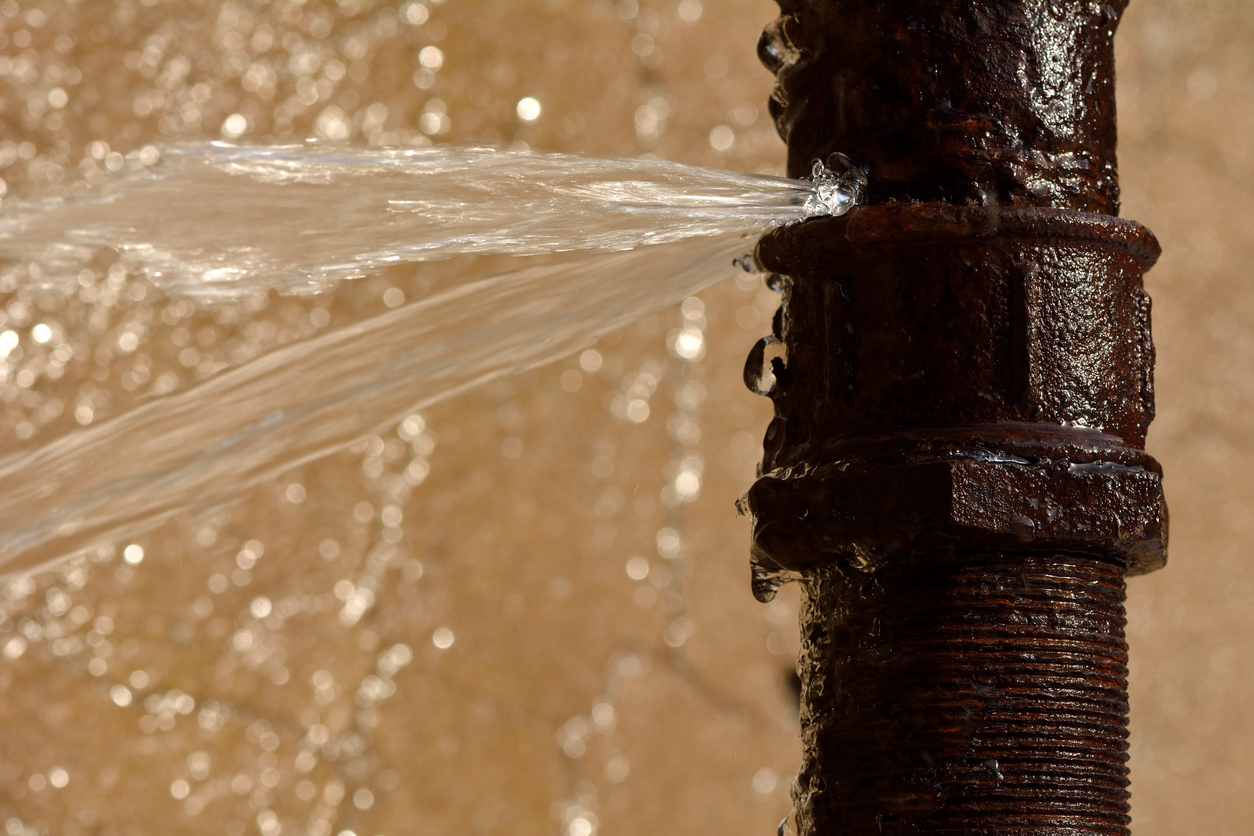
In Abilene, the soil is notoriously unstable. Our "Big Country" dirt contains high levels of clay that expand when it rains and shrink during our frequent dry spells. This constant shifting puts immense pressure on your home’s foundation and the pipes buried beneath it. If your water pressure drops suddenly and you can't find an obvious cause, you might be dealing with a slab leak. This happens when a pipe underneath your concrete floor cracks or bursts. Instead of reaching your faucets, the water is escaping into the soil, effectively "stealing" pressure before it ever reaches your home.
A hidden leak is one of the most serious causes of low pressure because it can lead to catastrophic structural damage if left unaddressed. You might notice subtle clues like a warm spot on the floor, a damp patch in the yard that never dries out, or the sound of running water even when every faucet is turned off. Because the water is diverted under the house, the available volume for your showers and sinks drops significantly.
- Soil Shifting: The expansion and contraction of Abilene clay can cause PVC and copper lines buried under your foundation to snap.
- Corrosion: Underground pipes are subject to "electrolysis" and soil acidity, which can eat small pinholes into metal lines over time.
- Foundation Settling: As a home settles, it can crush or shear off the main water service line at the building entrance.
- Invisible Waste: A significant leak can waste thousands of gallons a day, leading to a massive spike in your monthly Abilene water bill.
If you suspect a hidden leak, you should check your water meter immediately. Turn off all water in the house and watch the small "leak indicator" dial on the meter. If it is spinning, water is moving somewhere you can't see. At Midway Plumbing, we use specialized acoustic and thermal equipment to pinpoint these leaks without tearing up your entire floor, saving you time and preventing further damage to your home’s foundation.
Failed Regulators: The Mechanical Pressure Guard
Many Abilene homes, especially those in newer developments or areas with high municipal pressure, are equipped with a Pressure Reducing Valve (PRV). This bell-shaped device is typically located near your main shutoff valve and serves as a safety valve for your plumbing. Its job is to take the high, erratic pressure from the city main and throttle it down to a safe level for your home, typically between 45 and 60 psi. When this mechanical valve fails, it often defaults to the "closed" position, causing an immediate, sharp drop in water pressure throughout the house.
A failed PRV is one of the most common causes of a sudden, simultaneous loss of pressure across the entire property. These valves rely on internal springs and rubber diaphragms that can wear out or become clogged with the same Abilene minerals we discussed earlier. If your water pressure fluctuates wildly, it is a classic sign that the regulator has lost its ability to maintain a steady flow.
- Spring Fatigue: Over time, the internal spring that holds the valve open can lose its tension or snap, restricting water flow.
- Diaphragm Rupture: If the internal rubber seal tears, the valve can no longer balance the incoming city pressure, leading to a "throttled" flow.
- Debris Blockage: Small rocks or sediment from a city water main break can get stuck in the PRV’s intake, acting as a physical plug.
- Total Mechanical Failure: Like any mechanical part, a PRV has a lifespan of about 10 to 15 years before it simply gives up.
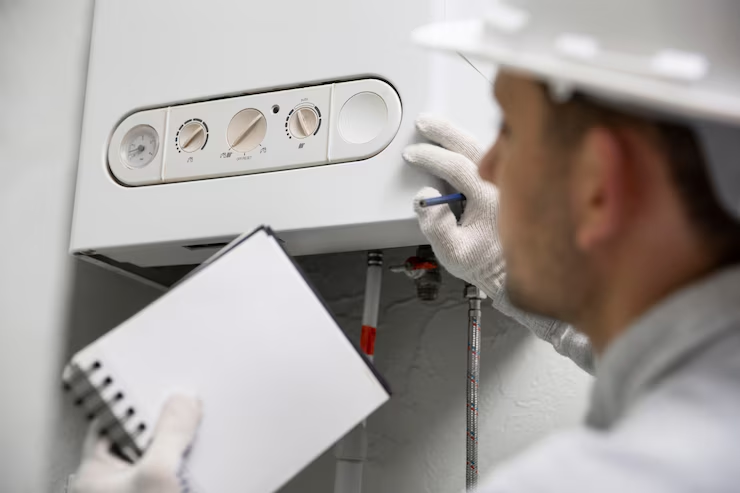
Replacing a failed regulator is a precision job. If the pressure is set too low, you’ll never get a satisfying shower; if it’s set too high, you risk blowing out the seals in your dishwasher or causing your water heater to leak. A professional plumber can test your incoming pressure with a gauge and adjust or replace the PRV to ensure your home’s plumbing and HVAC performance are protected from the stresses of high-pressure surges.
Proactive Solutions for Big Country Plumbing
Living in West Texas means your plumbing system has to be as tough as the landscape. At Midway Plumbing, we don’t just fix the symptoms of low pressure; we hunt down the root cause. Our team is deeply familiar with Abilene’s specific challenges, from the shifting clay soils to the mineral-rich water that can "choke" your pipes. We use advanced diagnostic tools to determine whether your pressure drop is a simple fix, such as a clogged aerator, or a complex issue, such as a failing main line under your yard.
We believe in providing our neighbors with long-term solutions, not just "band-aid" repairs. Whether it’s installing a whole-home water softener to stop mineral buildup before it starts or replacing an outdated pressure regulator, our goal is to restore your home’s comfort and efficiency. When you call Midway Plumbing, you are getting a team that understands the Big Country and treats your home with the respect it deserves.
- Comprehensive Pressure Testing: We test every fixture to ensure consistent flow throughout the home.
- Mineral Mitigation: We offer descaling and softening solutions to keep your pipes clear of Abilene scale.
- Leak Detection: Our high-tech sensors find hidden leaks without unnecessary digging or damage.
- Emergency Response: When your water pressure drops to zero, our local team is ready to respond quickly to get your household back on track.
Restoring Your Flow with Midway Plumbing
Sudden low water pressure isn't just an inconvenience; it is often a warning sign that something in your home's infrastructure is struggling. At Midway Plumbing, we take pride in being the experts Abilene residents trust to keep their water flowing. We combine years of local experience with the latest plumbing technology to solve even the most stubborn pressure problems. From historic homes near McMurry University to new builds in Wylie, we have the skills and local knowledge to ensure your plumbing remains as reliable as possible.
Done with disappointing showers and slow-filling sinks? Contact Midway Plumbing today to schedule a professional pressure diagnostic and get your home back to full power!