

A slow or blocked drain is one of the most common household plumbing problems, and it's also one of the easiest to make worse with the wrong fix. Some clogs are simple enough to clear yourself with basic tools, while others need a licensed plumber before they turn into a bigger, costlier repair.
This guide walks through what causes clogged drains, which Do-It-Yourself methods actually work, when to call a professional plumber, and how much you should expect to pay if you do.
Not sure if you should DIY or call in the professionals? Consult with us today.
What Causes a Clogged Drain?
A clogged drain is a blockage in your plumbing that slows or stops water from flowing through the pipe. It happens when debris builds up faster than water can wash it away.
The most common culprits include:
- Hair, especially in bathroom sinks, tubs, and showers
- Grease and food particles, common in kitchen sinks
- Soap scum, which combines with hair and dirt to form a sticky residue
- Mineral buildup, from hard water depositing scale inside the pipe
- Foreign objects, like small toys, cotton swabs, or wipes flushed down toilets
A clog doesn't always happen all at once. Most build up gradually, which is why a drain that's "a little slow" today is often a fully blocked drain within a few weeks.
Can I Unclog a Drain Myself?
Yes, you can safely unclog many drains yourself, as long as the clog is minor and located near the drain opening. Simple tools like a plunger, a hand auger, or hot water handle the majority of common household clogs without professional help.
DIY methods are appropriate when:
- The clog is isolated to one fixture (one sink or tub, not the whole house)
- Water is draining slowly rather than completely backed up
- You haven't already used chemical drain cleaner
- There's no sewage smell, gurgling from other drains, or water backing up into other fixtures
Call a licensed plumber instead when:
- Multiple drains are clogged at the same time
- Plunging or snaking doesn't improve drainage
- You notice foul odors, gurgling sounds, or water backing up in other fixtures
- The clog keeps coming back after DIY attempts
Those last two signs often point to a blockage in the main sewer line, which needs professional equipment to clear safely.
How to Fix a Clogged Drain
Most minor clogs can be cleared with a plunger, a drain snake, or hot water, in that order of difficulty. Start with the simplest method and move to the next if it doesn't work.
- Try hot water first. Boil water and pour it down the drain in stages, letting it sit for 30 seconds between pours. This works best on grease-based clogs.
- Use a plunger. A cup plunger works for sinks and tubs. Make sure there's enough water in the basin to create a seal, then plunge firmly several times.
- Try a drain snake or hand auger. Feed the tool into the drain until you feel resistance, then rotate it to catch and pull out debris like hair or buildup. Keep in mind, a drain snake is not a recommended tool for amateurs.
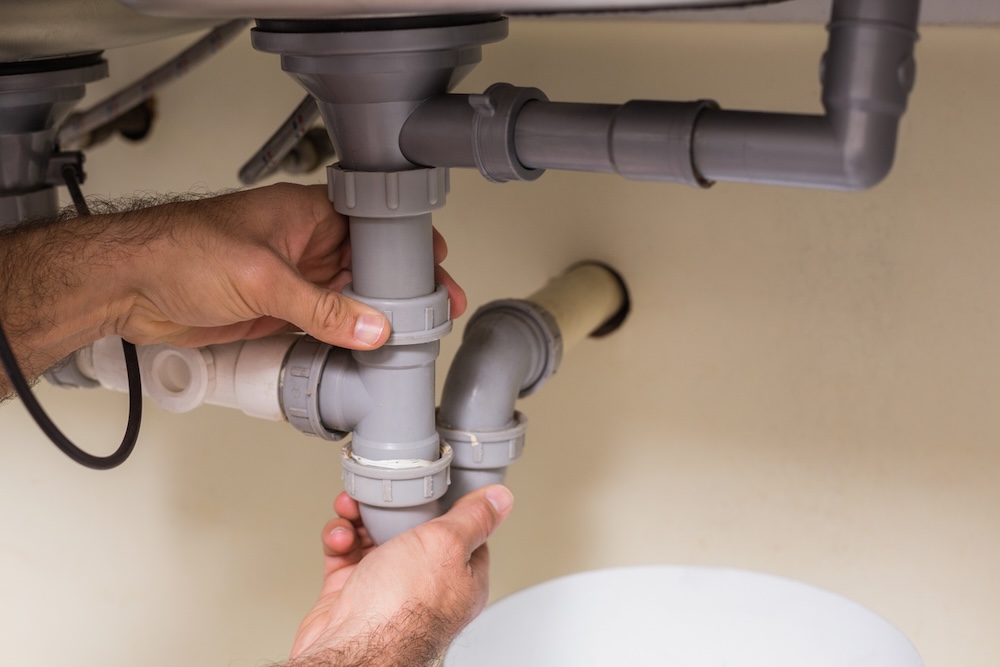
- Remove and clean the P-trap. If water still won't drain, the curved pipe under the sink may be the blockage point. Place a bucket underneath, unscrew the trap, and clear out any debris.
Midway Tip: Avoid combining chemical drain cleaners with plunging or snaking in the same attempt. Splashback from chemical cleaners can cause skin or eye injury.
If none of these steps work, the clog is likely deeper in your plumbing system, and that's a sign to call a plumber rather than escalate to stronger chemicals.
CTA: Ready to ditch the DIY methods and call in the professionals? Contact Midway today.
Do Baking Soda and Vinegar Actually Work to Unclog Drains?
Although a common DIY method, experts do not recommend using baking soda and vinegar to unclog drains as it can cause damage to PVC pipes.
The idea is that the fizzing reaction loosens light residue like soap scum, but it doesn't generate enough force to break up hair, grease, or solid blockages. While baking soda and vinegar may temporarily help with minor buildup, they rarely clear a true clog and can cause further harm to your system (which can mean costly repairs down the line)
What Will Dissolve Hair in a Clogged Drain?
Enzyme-based drain cleaners and hot water with dish soap are the most effective, lowest-risk options for dissolving hair clogs. Enzyme cleaners use bacteria or enzymes to break down organic material like hair and soap scum over several hours, without corroding your pipes.
Physically removing the clog with a drain snake or a plastic hair-catching tool is often faster and more reliable than any chemical option, since hair tends to tangle into a mass that dissolving agents can't fully reach.
When to Call a Professional Plumber for Drain Cleaning
Call a professional plumber when a clog resists basic DIY methods, keeps coming back, or shows signs of a deeper issue in your plumbing system. Pushing past those signs with more chemicals or repeated snaking usually delays the fix and risks damaging your pipes.
Specific signs it's time to stop DIY attempts and call a plumber:
- Multiple drains are affected at once. If your kitchen sink, bathtub, and toilet are all draining slowly or backing up together, the blockage is likely in the main line, not an individual fixture.
- The clog keeps returning. A drain that clears temporarily and clogs again within days or weeks points to a deeper obstruction, a pipe with structural damage, or tree root intrusion.
- You hear gurgling from other fixtures. Gurgling in a nearby drain when you flush the toilet or run the sink means air is trapped in the system, a sign of a larger blockage further down the line.
- There's a persistent sewage smell. This usually indicates a break, blockage, or venting issue rather than a simple surface clog.
- Water is backing up instead of draining. If water rises in a fixture instead of going down, or backs up into a different fixture entirely, stop using chemical cleaners immediately and call a plumber.
- You've already tried a chemical cleaner without success. Adding more chemicals or a second product on top of a failed attempt increases the risk of pipe damage and makes the job harder and less safe for a plumber to finish.
- The home has older pipes. Homes with aging metal or clay pipes are more prone to cracks, corrosion, and root intrusion, all of which need professional diagnosis rather than at-home tools.
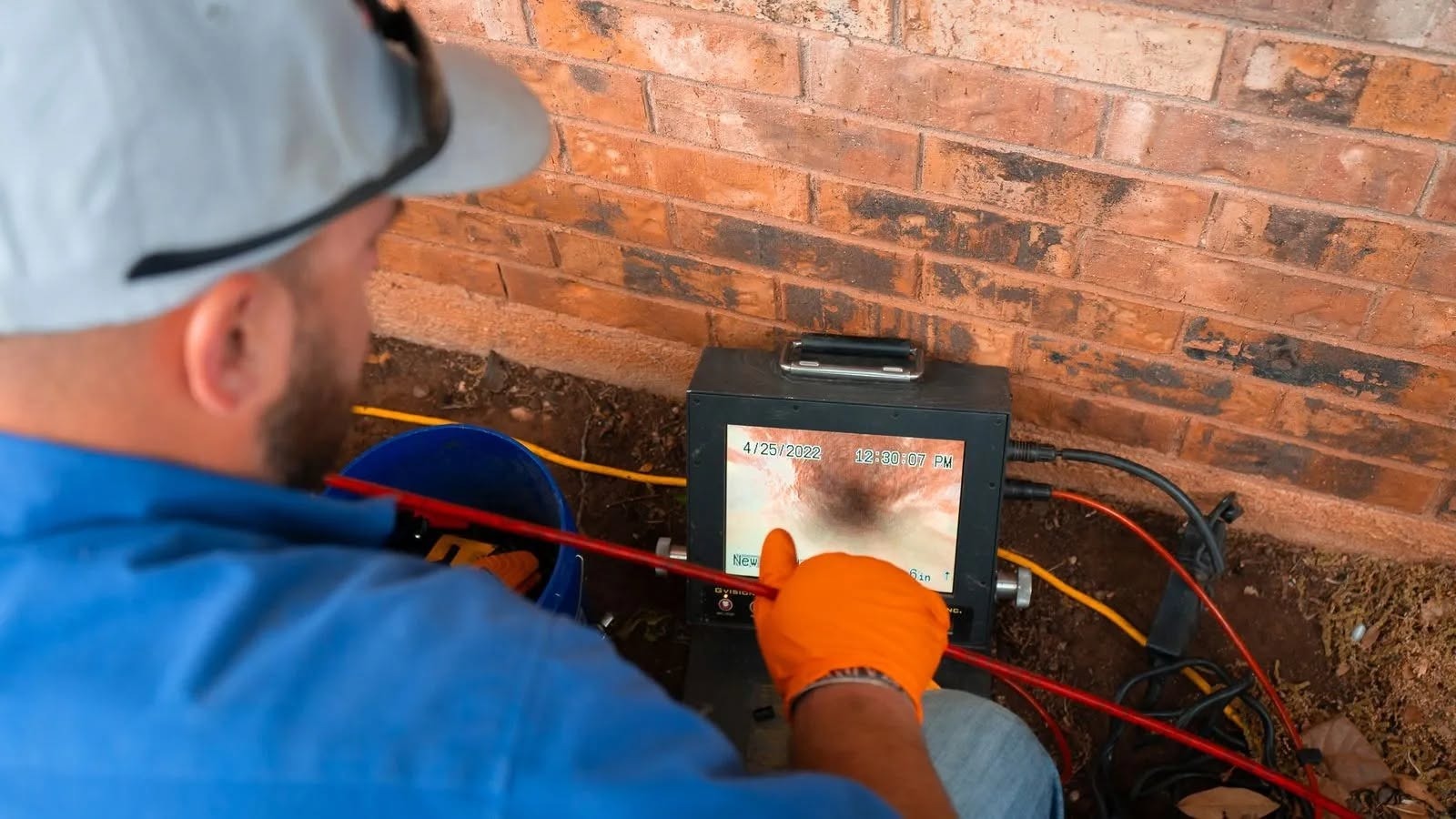
Tip: If you're unsure whether a clog qualifies as an emergency, a licensed plumber can typically diagnose the cause with a camera inspection before recommending a fix, so you're not guessing or paying for unnecessary repairs.
Catching these signs early prevents a manageable clog from turning into a larger repair, like a burst pipe or sewer line replacement.
What Is the Average Cost to Have a Drain Unclogged in Abilene?
Professional drain cleaning typically costs between $200 and $300 for a standard clog, though prices vary based on location, severity, and pipe accessibility. Simple clogs near a fixture cost less, while deep clogs or main line blockages cost more.
Rough pricing breakdown:
Costs rise if the plumber needs specialized equipment, like a hydro-jetting machine or a camera inspection to locate the blockage. Getting a clog addressed early, before it becomes a full blockage, almost always keeps the cost on the lower end of these ranges.
Can You Finance Plumbing Work?
You can finance plumbing work through flexible payment options designed to fit your budget, making essential repairs and upgrades more accessible without a large upfront cost. Midway Plumbing offers financing so Abilene homeowners can address plumbing needs on their own terms.
Why financing makes sense:
- Spreads the cost of larger repairs or installations over time
- Makes essential plumbing work accessible, even on a tight budget
- Lets you address problems promptly instead of delaying necessary repairs
What financing with Midway Plumbing offers:
- Flexible options tailored to fit your budget
- A way to enhance your property's comfort and functionality
- Peace of mind, without compromising your finances
Why Abilene Homeowners Choose Midway Plumbing
Abilene homeowners choose Midway Plumbing because of our reliable service, transparent pricing, and deep familiarity with local plumbing needs. We treat every home like it's our own, and that shows in the quality of work we deliver.
What sets us apart:
- Local expertise: years of experience with Abilene's water conditions, older housing stock, and common regional plumbing issues
- Transparent pricing: free estimates and clear costs before any work begins, with no hidden fees
- Licensed and experienced technicians: skilled professionals who follow Texas plumbing codes on every job
- Flexible financing: payment options that make essential plumbing work accessible for any budget
- Prompt, reliable service: fast response times for both routine repairs and plumbing emergencies
Our commitment to homeowners:
- Honest recommendations, never unnecessary upsells
- Clean, respectful work in your home
- Long-term solutions, not quick fixes that lead to repeat problems
Looking for a plumber near Abilene? Whether it's a simple repair or a full system inspection, the team at Midway Plumbing is here to help. Contact us today.
FAQ
Is it bad to use Drano every week?
Yes. Frequent use of harsh chemical drain cleaners can corrode pipes over time, especially older metal plumbing, and it treats symptoms rather than the underlying buildup.
How do I know if my clog is in the main line?
Signs include multiple drains backing up at once, gurgling from other fixtures when you run water, and sewage odors. These point to a main line issue that needs professional equipment.
Can a clogged drain cause a burst pipe?
It's rare but possible. Prolonged pressure from a severe clog can stress pipe joints, particularly in older plumbing, which is another reason to address clogs promptly rather than let them worsen.
How often should I have my drains professionally cleaned?
Most homes benefit from a professional drain cleaning or inspection once a year, or more often in homes with hard water, older pipes, or frequent clogs.
Meet Ryder, one of Midway’s many reliable Drain Techs:

Since joining Midway Plumbing as a plumbing apprentice in 2023, Ryder Ratliff has found his favorite part of the job to be connecting with new people and lending a hand wherever it's needed—he takes real pride in leaving every customer happy and taken care of. From wriggling into the smallest of crawl spaces (a genuine specialty of his!) to honing his craft in woodworking, Ryder tackles every task with creativity and enthusiasm.
Meet the rest of our Midway experts