

Your water heater is easy to overlook until something goes wrong. Suddenly running out of hot water, discovering a puddle near the tank, or hearing unfamiliar noises can quickly turn an everyday appliance into a major concern.
Fortunately, not every water heater problem means you need a new unit. Some issues involve replaceable components, while others can indicate more significant deterioration. Knowing the warning signs can help Abilene homeowners recognize when it is time to schedule professional water heater repair.
How Do You Know If Your Water Heater Has a Problem?
Common signs of water heater problems include leaking water, corrosion, soot or scorching around gas-fired equipment, abnormal burner operation, changes in hot-water quality, and unusual popping or rumbling noises.
You might also notice that hot water runs out faster, takes longer to recover, or does not reach the expected temperature.
The cause can vary significantly depending on whether you have a gas or electric water heater, the condition of the equipment, and where the problem originates. Professional diagnosis can determine whether repair or replacement is appropriate.
1. Water Is Leaking Around the Water Heater
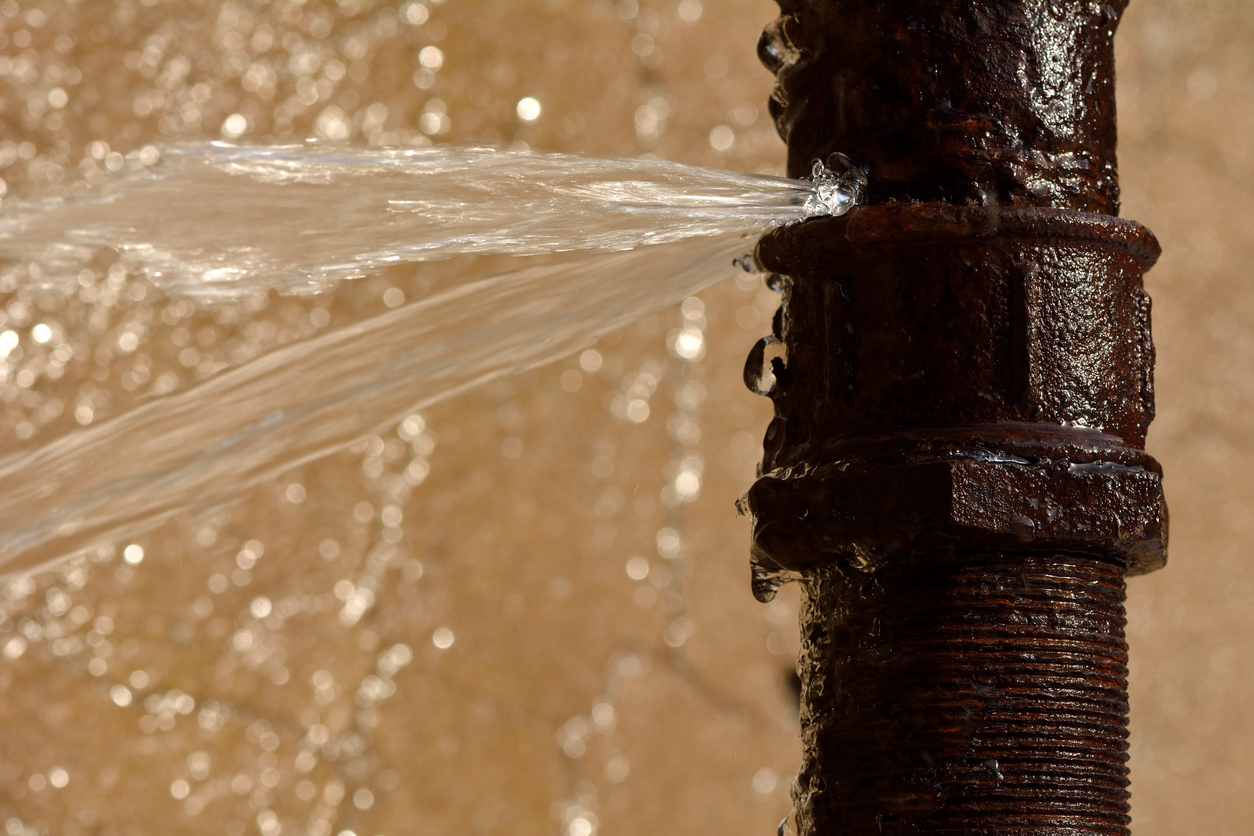
Water around your water heater deserves attention, but a puddle does not automatically mean the tank itself has failed.
Potential sources of a water heater leak include:
- Plumbing connections
- Drain valve
- Temperature and pressure relief valve
- Tank
- Nearby plumbing components
Finding the actual source is the first step.
What Does a Leaking Water Heater Tank Mean?
If water is leaking directly from the tank itself, the problem is generally more serious. Internal corrosion or deterioration can eventually compromise the tank and allow water to escape.
A failed tank cannot typically be repaired like a replaceable valve or plumbing connection. If the tank itself is leaking, water heater replacement may be necessary.
If you notice water accumulating around the unit, have the source identified promptly to reduce the risk of additional water damage.
What If the T&P Valve Is Leaking?
The temperature and pressure relief valve, commonly called the T&P valve, is an important water heater safety device.
Water coming from its discharge pipe can have several possible causes, including excessive pressure or temperature, thermal expansion, or a problem with the valve itself. Persistent dripping should not simply be assumed to be normal.
Never cap, plug, or block the T&P valve or its discharge pipe to stop a leak. Have the problem professionally evaluated.
2. You See Corrosion or Rust
Rust or corrosion around a water heater can indicate prolonged moisture exposure or deterioration.
Look for corrosion around:
- Pipe connections
- Valves
- Fittings
- Tank exterior
- Other visible components
You may also notice crusty mineral deposits around a fitting. These deposits are not necessarily the same as corrosion, but they can sometimes indicate a slow seep or previous moisture exposure.
Can a Corroded Water Heater Be Repaired?
It depends on where the corrosion is located and what caused it.
A corroded fitting or replaceable component may be repairable. Significant corrosion involving the water heater tank is more concerning, particularly when accompanied by an active leak.
Instead of assuming any visible rust means immediate replacement, have the equipment inspected to determine how extensive the damage is.
3. You Notice Soot or Scorching Around a Gas Water Heater
Soot, scorching, or other signs of abnormal combustion around a gas-fired water heater should not be ignored.
Fuel-burning water heaters are designed to burn fuel and safely vent combustion gases. Problems involving the burner, combustion air, or venting can interfere with safe operation.
Improper combustion or venting can also create a risk of carbon monoxide exposure.
Do not attempt to modify the burner or venting system yourself. If a carbon monoxide alarm activates, leave the home and follow the alarm manufacturer's instructions and local emergency guidance.
Otherwise, visible soot, scorching, or abnormal combustion should prompt professional water heater service.
4. The Burner Flame Looks Abnormal
If you have a gas water heater with a visible burner, a noticeable change in burner operation can indicate a problem.
Burner appearance varies by water heater design, so flame color alone should not be used to diagnose the equipment. However, a persistent abnormal flame combined with soot, unusual odors, poor heating performance, or other changes deserves professional evaluation.
Possible problems can involve the burner, combustion conditions, fuel supply, or other components.
Avoid trying to adjust gas or combustion components yourself. A qualified technician can evaluate the water heater according to the manufacturer's specifications.
Electric water heaters do not have burners, so this warning sign applies only to applicable gas-fired equipment.
5. Your Hot Water Looks, Smells, or Tastes Different
Changes in hot-water quality can sometimes point toward a water heater or plumbing problem.
You might notice:
- Rust-colored or discolored water
- Metallic odors or tastes
- Rotten-egg odors
- Cloudiness
- Other unusual changes
These symptoms can have multiple causes. Depending on the situation, the source could involve the water supply, household plumbing, sediment, corrosion, the water heater, or interactions involving the anode rod.
One useful observation is whether the problem occurs with both hot and cold water. If only the hot water is affected, the water heater or hot-water plumbing becomes a more likely area to investigate.
Avoid assuming that replacing the anode rod will automatically solve every odor or discoloration problem. Proper diagnosis can identify the source before repairs are made.
6. Your Water Heater Makes Popping or Rumbling Noises
Water heaters are not always silent, but new or increasingly noticeable noises can indicate that something has changed.
Popping or rumbling in a tank-style water heater can sometimes be associated with sediment or mineral accumulation at the bottom of the tank. As the water heater operates, trapped water and deposits can contribute to unusual sounds.
However, a noisy water heater is not automatically a water heater that is about to fail.
Will Flushing Fix a Noisy Water Heater?
Flushing may remove loose sediment when it is appropriate for the particular water heater. It does not necessarily remove hardened deposits, and it will not correct unrelated mechanical problems.
Follow the manufacturer's maintenance instructions for your equipment.
If you have an older water heater with a long or unknown maintenance history, consider professional evaluation before attempting aggressive flushing or chemical treatments.
What Are Other Signs Your Water Heater Needs Repair?
Not every water heater problem fits neatly into the six signs above.
Consider scheduling water heater service if:
- Hot water runs out much faster than before
- Recovery takes unusually long
- Water never gets hot enough
- Temperatures fluctuate unexpectedly
- The system repeatedly shuts down
- A gas unit has ignition problems
- An electric unit repeatedly trips a breaker or reset
These problems can involve heating elements, thermostats, controls, burners, electrical components, or other parts of the system.
Should You Repair or Replace Your Water Heater?
Water heater repair may make sense when the tank is intact and the problem involves a serviceable component. Examples can include certain valves, heating elements, thermostats, or other replaceable parts.
Replacement may be the better option when the tank itself leaks, significant deterioration is present, repairs have become frequent, or the water heater no longer meets the household's hot-water needs.
Age can provide useful context, but it should not be the only factor. Equipment condition, repair history, performance, and repair cost should also be considered.
Schedule Water Heater Repair in Abilene With Midway Plumbing
Leaks, corrosion, unusual noises, abnormal burner operation, and changes in your hot water can all signal that your water heater needs attention. Catching a problem does not necessarily mean replacing the entire system. The right repair depends on what is actually causing the symptoms.
If your water heater is showing signs of trouble, contact Midway Plumbing for professional water heater repair in Abilene, TX. Our team can diagnose the problem, explain your repair or replacement options, and help restore reliable hot water to your home.