


Walking across your home and suddenly noticing that one area of the floor feels unusually warm can be confusing. Sometimes there is a simple explanation, such as direct sunlight, an appliance, or a nearby heating source. But when a warm spot appears without an obvious cause and does not go away, it can be a sign that something is happening beneath the surface.
For Brownwood homeowners with slab foundations, unexplained warm spots on the floor can sometimes point to a leaking hot water line beneath the concrete. Known as a slab leak, this hidden plumbing problem can waste water and potentially damage flooring and other materials if left unaddressed. Knowing the warning signs and when to contact a plumber can help you catch a hidden leak before the problem becomes more extensive.
Why Does My Floor Feel Warm in One Spot?
A warm floor does not automatically mean you have a plumbing leak. Several sources can create isolated temperature differences, which is why it helps to rule out obvious explanations before assuming there is a problem beneath your foundation.
Hot Water Lines Beneath the Slab
In homes with slab foundations, plumbing lines may run beneath or through the concrete. If a hot water pipe begins leaking, heat from the escaping water can transfer into the surrounding slab.
That heat can eventually reach the flooring above, creating a spot that feels noticeably warmer than the surrounding area. Depending on the location and severity of the leak, the warm area may remain relatively small or gradually become more noticeable.
Radiant Floor Heating
Radiant heating systems intentionally warm floors by circulating heated water or using electric heating elements beneath the surface.
If your home has radiant floor heating, some warmth may be completely normal. However, if your home does not have this type of system, or if a new hot spot develops in an unexpected location, another heat source should be investigated.
Heat Transfer From Plumbing Lines
A warm floor does not always require an active leak. In some situations, heat from a nearby hot water pipe may transfer through surrounding materials, particularly if pipe insulation is inadequate or deteriorated.
The important question is whether the warmth is new or changing. A spot that suddenly appears, becomes hotter, or expands deserves more attention than an area that has always been slightly warmer.
Electrical or Other Heat Sources
Electrical problems can sometimes generate heat, although they are a less common explanation for isolated warm flooring. If the area is accompanied by a burning odor, discolored outlets, flickering lights, or other electrical symptoms, avoid the area and contact an appropriate professional.
Can a Warm Spot on the Floor Mean a Slab Leak?
Yes, an unexplained warm spot can be a sign of a slab leak, particularly when a hot water line beneath a concrete foundation is leaking. It is not proof of a slab leak by itself, but persistent warmth combined with other plumbing symptoms should be professionally evaluated.
What Is a Slab Leak?
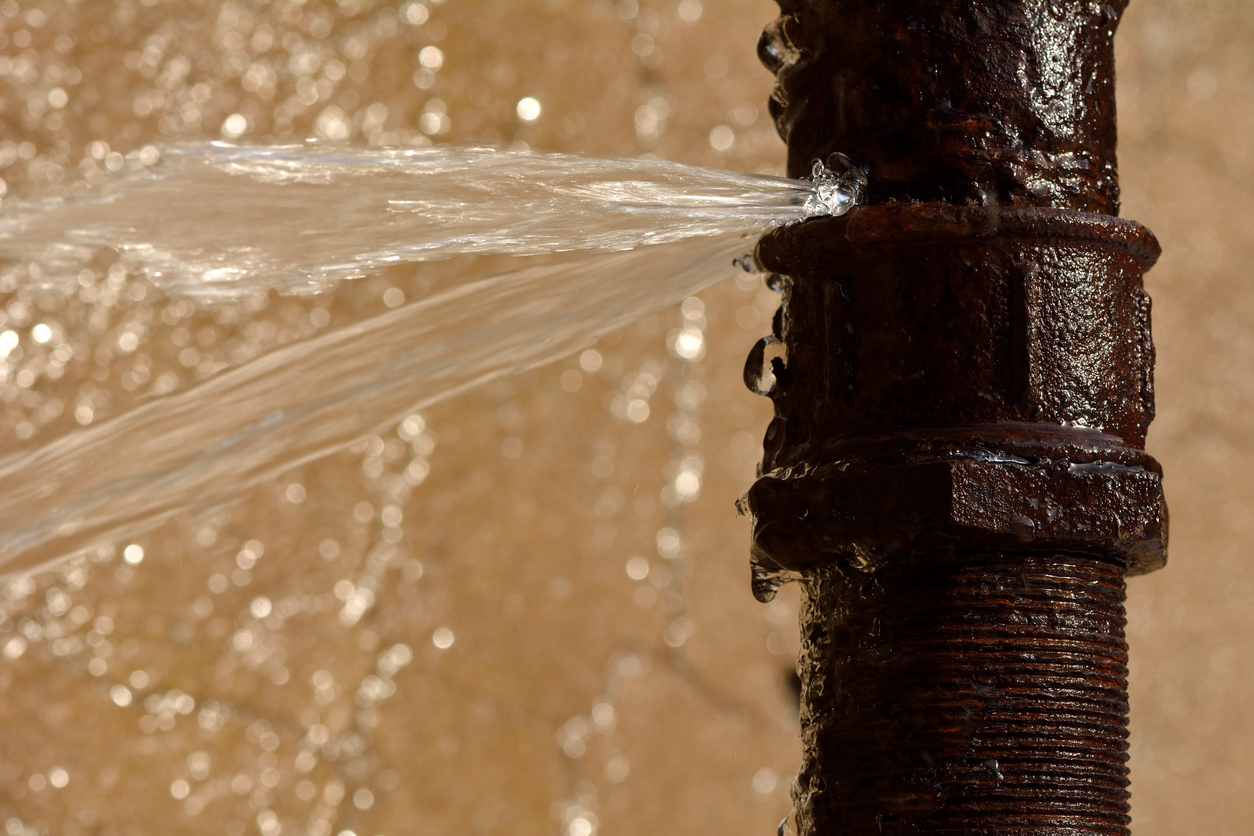
A slab leak is a leak in a water line located beneath or within a home's concrete foundation. Because the plumbing is hidden, water can escape without immediately creating the obvious dripping or pooling associated with an exposed pipe leak.
When the damaged line carries hot water, heat can travel through the concrete and flooring. The warm spot you feel underfoot may therefore be one of the earliest noticeable symptoms.
Why Do Slab Leaks Develop?
Underground plumbing can develop leaks for several reasons. Potential contributing factors include:
- Aging or deteriorating pipes
- Corrosion
- Soil movement beneath the foundation
- Excessive water pressure
- Friction or abrasion against surrounding materials
- Installation or construction issues
Determining why a pipe failed can be important when deciding how to repair it, especially if the condition of other plumbing lines is also a concern.
Why Can the Warm Area Get Larger?
Escaping hot water can transfer heat into the concrete surrounding a damaged pipe. If the leak continues, a larger portion of the slab may become warm.
A growing warm area does not tell you exactly how severe a leak is, but it is a good reason to schedule professional slab leak detection rather than waiting to see if the symptom disappears.
What Are the Other Warning Signs of a Slab Leak?
Warm flooring is only one potential symptom. A slab leak may produce several changes around your home, and noticing multiple warning signs can make a hidden plumbing problem more likely.
Unexplained Increases in Your Water Bill
A leaking supply line can continuously waste water, even when no fixtures are being used. If your water bill suddenly increases without a corresponding change in household habits, a hidden leak may be responsible.
Sounds of Running Water
Turn off faucets, showers, water-using appliances, and other fixtures. If you still hear water running, trickling, or hissing, it could indicate that water is moving somewhere it should not be.
Damp or Damaged Flooring
Depending on the location and severity of the leak, moisture may eventually reach flooring materials. You might notice damp carpet, discoloration, loose flooring, or changes in wood or laminate.
Low Water Pressure
Certain plumbing leaks can contribute to changes in water pressure. If you notice reduced pressure along with warm flooring or unexplained water usage, have the plumbing system inspected.
Cracks or Flooring Changes
Cracks can develop for many reasons and do not automatically indicate a slab leak. However, new flooring or wall changes occurring alongside moisture and other plumbing symptoms should not be ignored.
Musty Odors or Excess Moisture
Hidden moisture can create damp conditions and musty odors. Persistent moisture can also create conditions that support mold growth, making prompt leak detection important.
How Do Plumbers Find a Slab Leak Under a Floor?
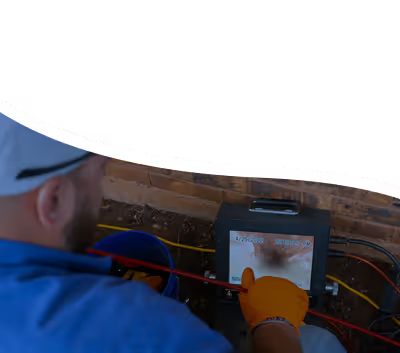
Finding a leak beneath concrete requires more than identifying the warmest section of flooring. Professional slab leak detection uses specialized diagnostic techniques to narrow down the location of the problem without immediately opening large sections of the floor.
Thermal Imaging
Thermal imaging equipment can detect temperature differences across surfaces. When a hot water line is leaking, an unusual heat pattern may help a plumber narrow down the area that requires further investigation.
Acoustic Leak Detection
Water escaping from a pressurized pipe can produce sounds that specialized listening equipment may detect. Acoustic testing can help identify where those sounds are strongest.
Pressure Testing
Pressure testing can help determine whether part of the plumbing system is losing pressure. The results can provide another piece of evidence when diagnosing a suspected hidden leak.
Why Accurate Leak Detection Matters
The goal is not simply to confirm that water is leaking. A plumber needs to understand where the problem is located and gather enough information to recommend an appropriate repair.
Accurate diagnosis can help minimize unnecessary disruption and avoid opening flooring or concrete in areas where no repair is needed.
What Should You Do If You Find a Warm Spot on Your Floor?
If you discover unexplained warmth, you can gather useful information while arranging a professional evaluation.
Rule Out Obvious Heat Sources
First, consider whether sunlight, an HVAC vent, an appliance, or radiant heating could explain the temperature difference.
If none of these apply and the spot remains consistently warm, a plumbing problem becomes more important to consider.
Monitor the Area
Pay attention to whether the warm spot changes in size or temperature. Note when you first noticed it and whether it remains warm at different times of day.
Check Your Water Usage
Review recent water bills for unexplained increases. You can also make sure water-using fixtures and appliances are off and check whether your water meter indicates continued usage.
Look and Listen for Other Symptoms
Listen for water sounds when the house is quiet. Check nearby flooring and baseboards for moisture, discoloration, or other changes.
Schedule Professional Leak Detection
If the warmth persists or appears alongside other signs of a hidden leak, contact a plumber for slab leak detection in Brownwood. Avoid breaking into the floor yourself, since the exact location and cause should be identified before repairs begin.
What Happens If You Ignore a Slab Leak?
A hidden leak is unlikely to improve on its own. The longer water continues escaping, the greater the potential for water waste and property damage.
Possible consequences can include:
- Higher water bills
- Damage to flooring and building materials
- Persistent dampness
- Conditions that may support mold growth
- More extensive plumbing repairs
- Damage to materials around the affected area
The extent of damage depends on factors such as the leak's size, location, duration, and surrounding materials. Early detection can help limit how far the problem progresses.
Can You Repair a Slab Leak Without Tearing Up the Entire Floor?
Finding a slab leak does not automatically mean your entire floor needs to be removed. The appropriate repair depends on the leak location, pipe material, plumbing layout, and overall condition of the system.
Direct Slab Leak Repair
In some situations, accessing the damaged section of pipe directly may be the most practical repair. This can require opening a targeted portion of the floor and slab.
Pipe Rerouting
Another option may be to reroute the plumbing line so water no longer travels through the damaged underground section. Whether rerouting is appropriate depends on the home's plumbing configuration.
Why Leak Detection Comes Before Repair
There is no single slab leak repair method that works for every Brownwood home. Locating and evaluating the problem first allows a plumber to recommend a repair based on the actual condition of the system rather than guessing.
Can Slab Leaks Be Prevented?
Not every slab leak is preventable, particularly when age, pipe materials, or soil conditions contribute to failure. However, homeowners can take steps to reduce unnecessary stress on their plumbing and recognize problems earlier.
Keep Water Pressure Under Control
Excessively high water pressure can put additional stress on plumbing components. If you experience banging pipes, frequent fixture leaks, or other pressure-related symptoms, consider having your home's water pressure checked.
Pay Attention to Plumbing Changes
Changes in water pressure, unexplained water usage, unusual plumbing sounds, moisture, or new warm spots on the floor are worth investigating.
Address Leaks Promptly
A small plumbing symptom can sometimes provide an early opportunity to identify a developing problem. Waiting until visible water damage appears may allow a hidden leak to become more extensive.
When Should Brownwood Homeowners Call a Plumber About Warm Floors?
You should consider contacting a plumber if a warm floor spot has no obvious source and does not go away. Professional evaluation becomes especially important if:
- The warm area is growing
- Your water bill has unexpectedly increased
- You hear running water while fixtures are off
- Nearby flooring feels damp
- Flooring begins warping or changing
- Water pressure has changed
- You notice multiple signs of a hidden plumbing leak
You do not need to determine whether you have a slab leak before calling. Professional leak detection is designed to answer that question.
Why Is My Floor Warm in One Spot?
If one area of your floor suddenly feels warm, heat from a hot water pipe beneath the slab is one possible explanation. When that pipe leaks, hot water can warm the surrounding concrete, and the heat may become noticeable through tile, wood, carpet, or other flooring.
However, warm flooring alone does not confirm a slab leak. Radiant heating, nearby plumbing lines, appliances, sunlight, and other heat sources can also create temperature differences. A warm spot that persists, expands, or occurs alongside high water bills, moisture, or running-water sounds should be professionally inspected.
Get Slab Leak Detection and Repair From Midway Plumbing
An unexplained warm spot may seem like a minor change, but it can provide an early warning that something is happening beneath your floor. Finding a hidden plumbing leak before significant water damage develops can help protect your flooring, plumbing system, and home.
If you have noticed warm spots, unusual water usage, damp flooring, or other possible signs of a slab leak, Midway Plumbing can help. Our professionals can evaluate the problem, locate hidden leaks, and recommend an appropriate slab leak repair based on your home's plumbing system.
Contact Midway Plumbing today to schedule slab leak detection or slab leak repair in Brownwood and get to the source of unexplained warm spots in your home.