

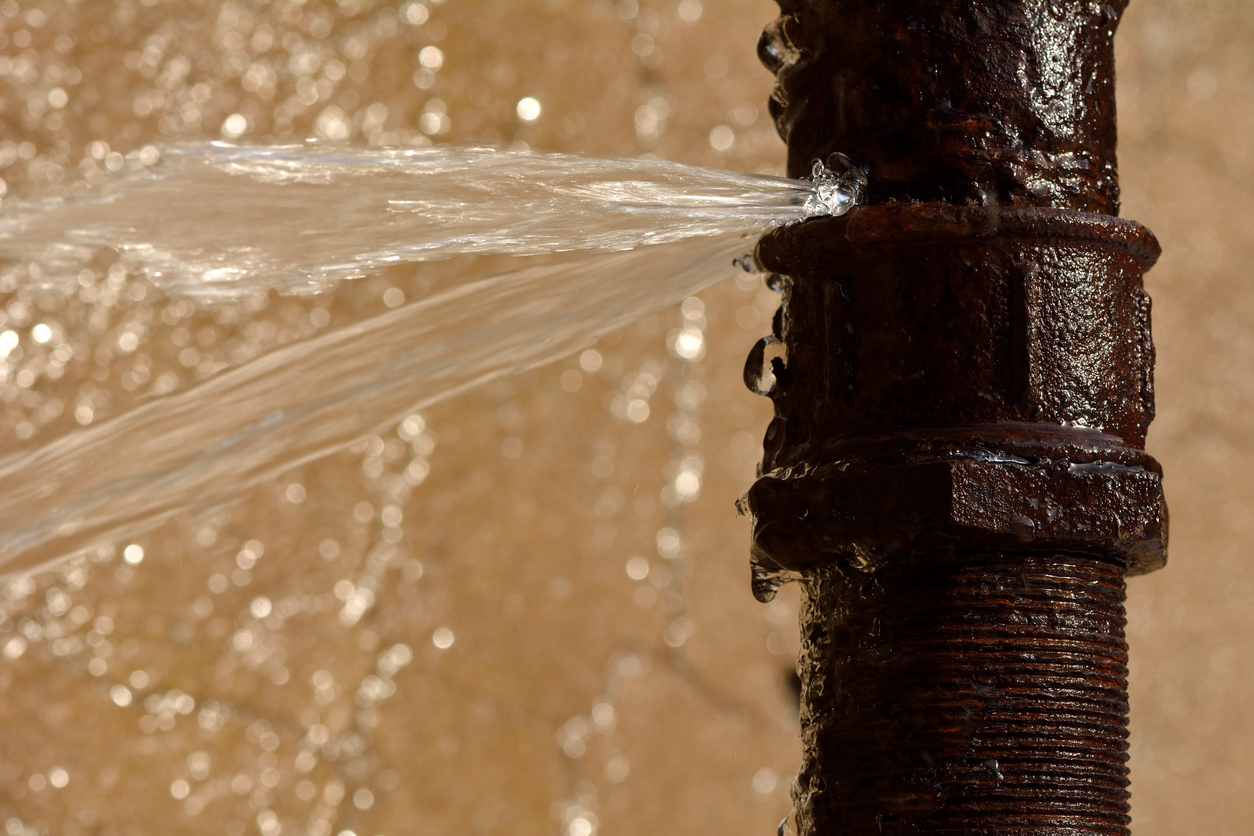
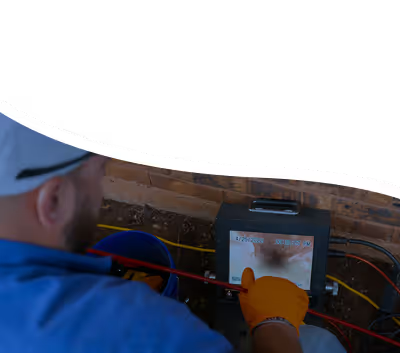
A burst pipe demands immediate action, since even a few minutes of running water can lead to serious damage throughout your home. Knowing exactly what to do in the first moments after a pipe bursts can mean the difference between a manageable cleanup and thousands of dollars in water damage.
This guide walks through what causes pipes to burst, the exact steps to take right away, and how to prevent it from happening again.
CTA: Dealing with a burst pipe right now? Contact Midway Plumbing for emergency support, available around the clock.
What Causes a Pipe to Burst?
Pipes typically burst due to freezing temperatures, corrosion, high water pressure, or physical damage, each of which weakens the pipe until it can no longer hold back the water inside it. Understanding the cause can help you spot warning signs before a full rupture happens.
Common causes include:
- Freezing temperatures, which cause water inside a pipe to expand and crack the pipe from within
- Corrosion, especially in older galvanized steel pipes that weaken over decades of use
- High water pressure, which puts constant stress on pipes and fittings throughout your home
- Physical damage, from nearby construction, tree root intrusion, or accidental impact
- Age, since pipes naturally degrade over time regardless of material
Knowing which of these applies to your situation can also help a plumber determine whether the burst pipe is an isolated incident or a sign that more of your home's plumbing needs attention.
What to Do Immediately After a Pipe Bursts
The moment you discover a burst pipe, your priority is stopping the water flow and protecting your home from further damage before anything else. Acting quickly in the first few minutes can significantly limit the scope of the damage.
Step 1: Shut Off the Water
Locate your home's main water shutoff valve and turn it off immediately to stop water from continuing to flow through the broken pipe. This valve is typically located near your water meter, in a basement, crawl space, or utility area, so it's worth knowing its location before an emergency happens.
If you can't find the main shutoff quickly, look for a local shutoff valve near the specific fixture or pipe involved, which may stop the leak faster while you locate the main valve.
Step 2: Turn Off Electricity to the Area
If water is near any electrical outlets, appliances, or wiring, shut off power to that area at your breaker panel before doing anything else. Water and electricity together create a serious safety hazard, and this step should never be skipped if there's any doubt about water reaching electrical components.
Step 3: Drain the Remaining Water
Once the main water supply is off, open faucets throughout your home, starting with the ones closest to the burst pipe, to drain any remaining water still in the pipes. This reduces the amount of water that continues to leak out and relieves pressure in the system.
Step 4: Contain the Damage
Use towels, buckets, or a wet/dry vacuum to remove standing water and limit how far it spreads to flooring, walls, and belongings. Moving furniture and valuables out of the affected area as quickly as possible also helps prevent additional damage while you wait for help.
Step 5: Call a Licensed Plumber
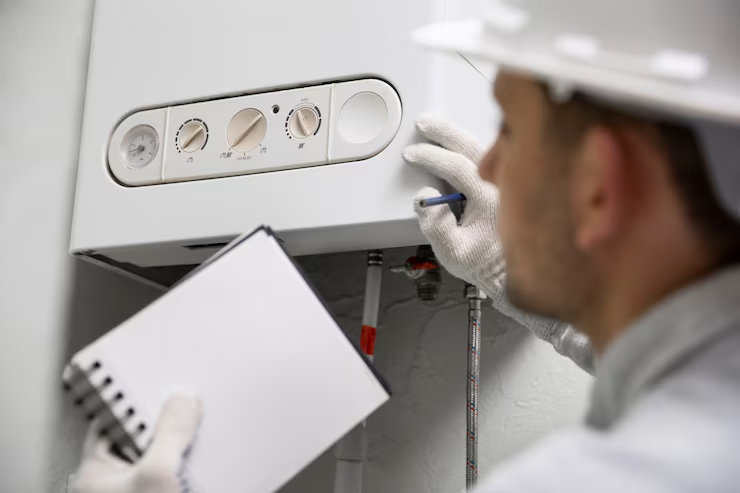
Once the immediate water flow is under control, call a licensed plumber right away to assess the damage and repair the pipe properly. A burst pipe often indicates a deeper issue, whether that's aging plumbing, freeze damage, or a pressure problem, and a professional repair addresses the root cause rather than just the visible break.
Midway Plumbing Tip: Take photos of the damage before cleanup begins. This documentation is often needed for insurance claims and can make the process smoother later.
What to Do After the Repair Is Complete
Once the pipe is repaired, your focus shifts to drying out the affected area and addressing any damage left behind before it leads to bigger problems like mold or structural issues. This stage is just as important as the initial response, even though the urgency has passed.
Dry the Area Thoroughly
Use fans, dehumidifiers, or open windows to dry out flooring, walls, and any affected materials as quickly as possible. The faster the area dries, the lower the risk of mold developing in the days that follow.
Document the Damage
Photograph the affected area, damaged belongings, and the repair itself, and keep a copy of your plumber's invoice. This documentation supports any insurance claim and gives you a clear record if further repairs are needed later.
Watch for Follow-Up Issues
Keep an eye on the repaired area over the following weeks for any signs of recurring leaks, musty odors, or discoloration, which could indicate the repair needs further attention or that moisture wasn't fully addressed during cleanup.
How to Prevent Pipes From Bursting
Preventing a burst pipe largely comes down to protecting your plumbing from freezing temperatures, managing water pressure, and replacing aging pipes before they fail. A little preventative attention goes a long way, especially heading into colder months.
Practical prevention steps:
- Insulate exposed pipes, especially those in attics, crawl spaces, and exterior walls
- Let faucets drip slightly during freezing weather to keep water moving and reduce pressure buildup
- Keep your home heated to at least 55°F, even when you're away, during cold snaps
- Disconnect and drain outdoor hoses before winter weather arrives
- Have your water pressure checked periodically, since consistently high pressure stresses pipes over time
- Replace aging galvanized pipes with modern materials before corrosion leads to failure
Does Homeowners Insurance Cover a Burst Pipe?
In most cases, yes, homeowners insurance covers sudden and accidental water damage from a burst pipe, though coverage details vary by policy and provider. Many policies specifically exclude damage caused by neglect, such as a frozen pipe that burst because a home was left unheated for an extended period without reasonable precautions.
Because coverage details can vary significantly, it's worth reviewing your specific policy or contacting your insurance provider directly to understand what's covered and what documentation you'll need to file a claim.
How Much Does It Cost to Repair a Burst Pipe?
Repairing a burst pipe typically costs between $350 and $1,850, depending on the pipe's location, the extent of the damage, and whether the repair involves accessing a wall, floor, or slab. Costs rise significantly if the burst pipe also caused water damage that requires separate restoration work.
Rough pricing breakdown:
Repair ScenarioTypical CostSimple, accessible pipe repair$350–$850Repair requiring wall access$850–$2,000Slab leak repair$1,000–$15,000Repair plus water damage restorationVaries significantly, often $2,500+
A written estimate before work begins helps you understand exactly what you're paying for and avoid surprises once the repair is underway.
Why Abilene Homeowners Choose Midway Plumbing
Abilene homeowners have trusted Midway Plumbing for more than 40 years, and every job comes with upfront pricing. When a pipe bursts, having a plumber who understands the urgency and responds accordingly makes all the difference.
What sets us apart:
- Over 40 years of local experience serving Abilene and the surrounding communities
- 24/7 emergency support, so help is just a call away when a pipe bursts
- Upfront, written estimates before any work begins, with no hidden fees
- Same-day service availability for urgent plumbing issues
- Flexible financing options to help manage the cost of larger repairs
CTA: Need a plumber fast? Contact Midway Plumbing or call 325-698-4399 for emergency support today.
Frequently Asked Questions
How do I know where my main water shutoff valve is located?
It's typically found near your water meter, in a basement, crawl space, garage, or utility closet. If you're unsure, it's worth locating it now, before an emergency, so you're not searching for it during a crisis.
Is it safe to use electrical appliances near a burst pipe?
No. Shut off power to any area affected by water before using or touching electrical appliances or outlets nearby, and call an electrician if you're unsure whether it's safe.
Can a burst pipe cause mold growth?
Yes. Standing water and damp materials can lead to mold growth within 24 to 48 hours, which is another reason to address cleanup and drying quickly after a pipe bursts.
Should I try to repair a burst pipe myself?
It's not recommended for anything beyond a very minor, accessible leak. A burst pipe often signals a larger issue, and a licensed plumber can properly diagnose and repair it to prevent the problem from recurring.
What should I do while waiting for a plumber to arrive?
Keep the main water valve shut off, continue containing any standing water, and avoid using electrical devices near the affected area until the plumber arrives and the situation is fully under control.